
news analysis
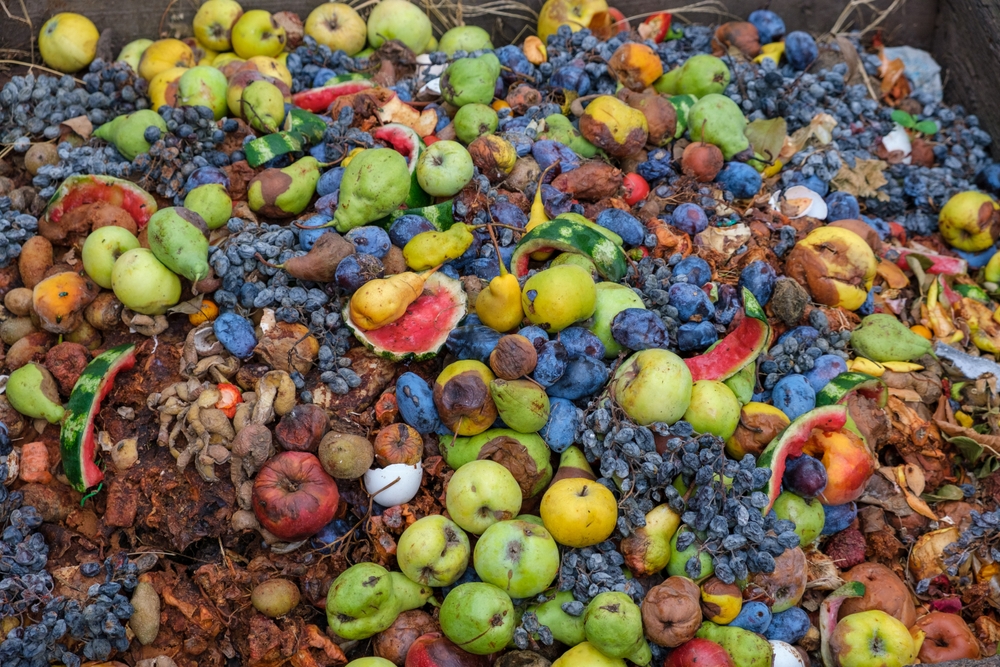
Can food waste reduction get back on track?
A 2030 target to cut food waste by 50% is in danger of being missed. Government and businesses need to seize the opportunity to turn things around.

Model switch spells bad news for sugary food and drink
In a highly significant move, the government has confirmed plans to adopt the more stringent 2018 nutrient profiling model as the basis for determining which products can be marketed freely.…
register for footprint news
Out of home news
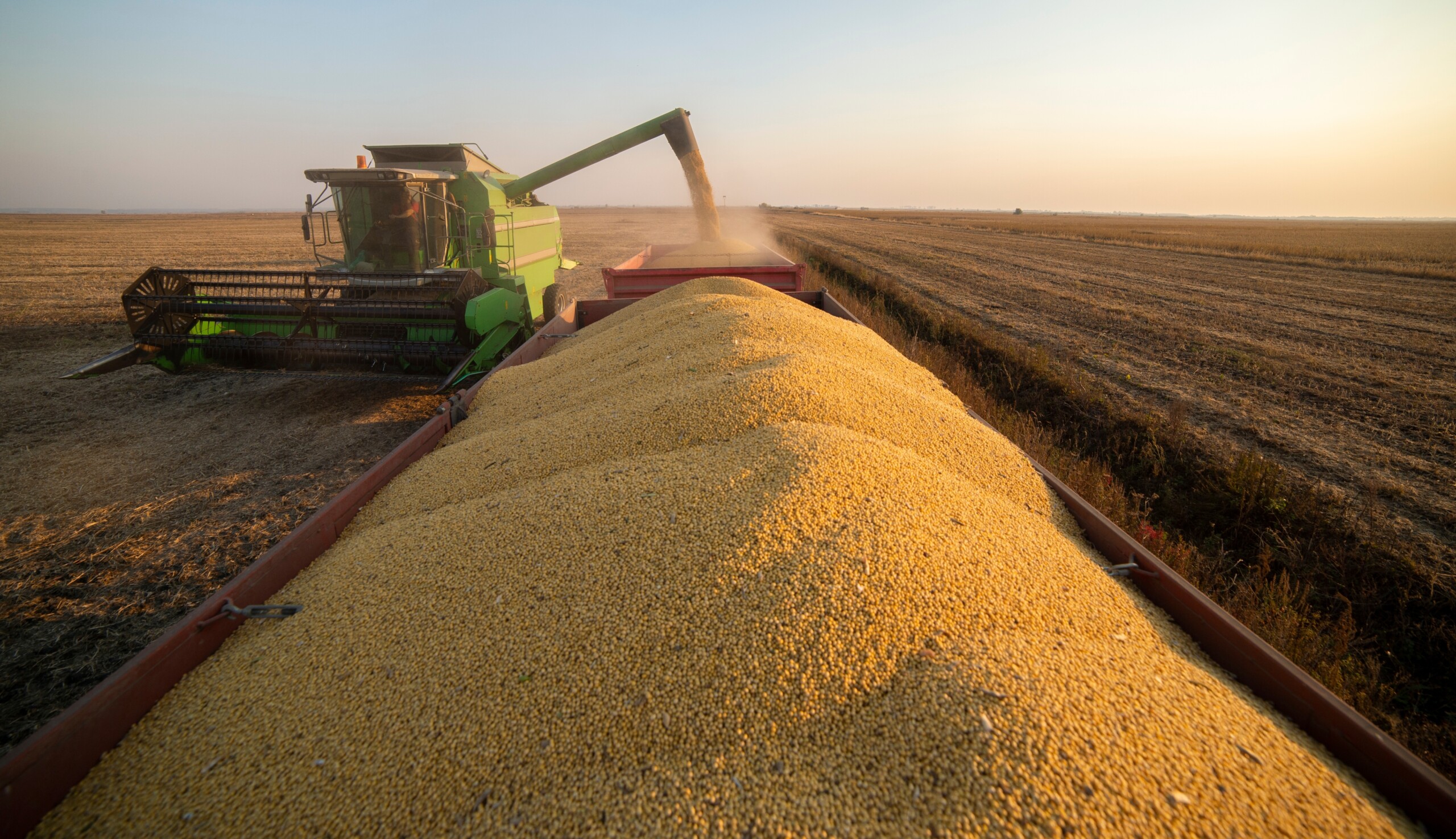
Food giants urged to boycott soy pledge breakers
Leading food businesses like McDonald’s and Burger King should stop working with suppliers that have abandoned their commitment to the Amazon Soy Moratorium (ASM), campaigners have urged.

Consumers demand mandatory traffic light labels
Which? has called for front-of-pack nutrition labelling to be made mandatory for packaged foods after consumer research identified demand for clearer, more consistent labelling.
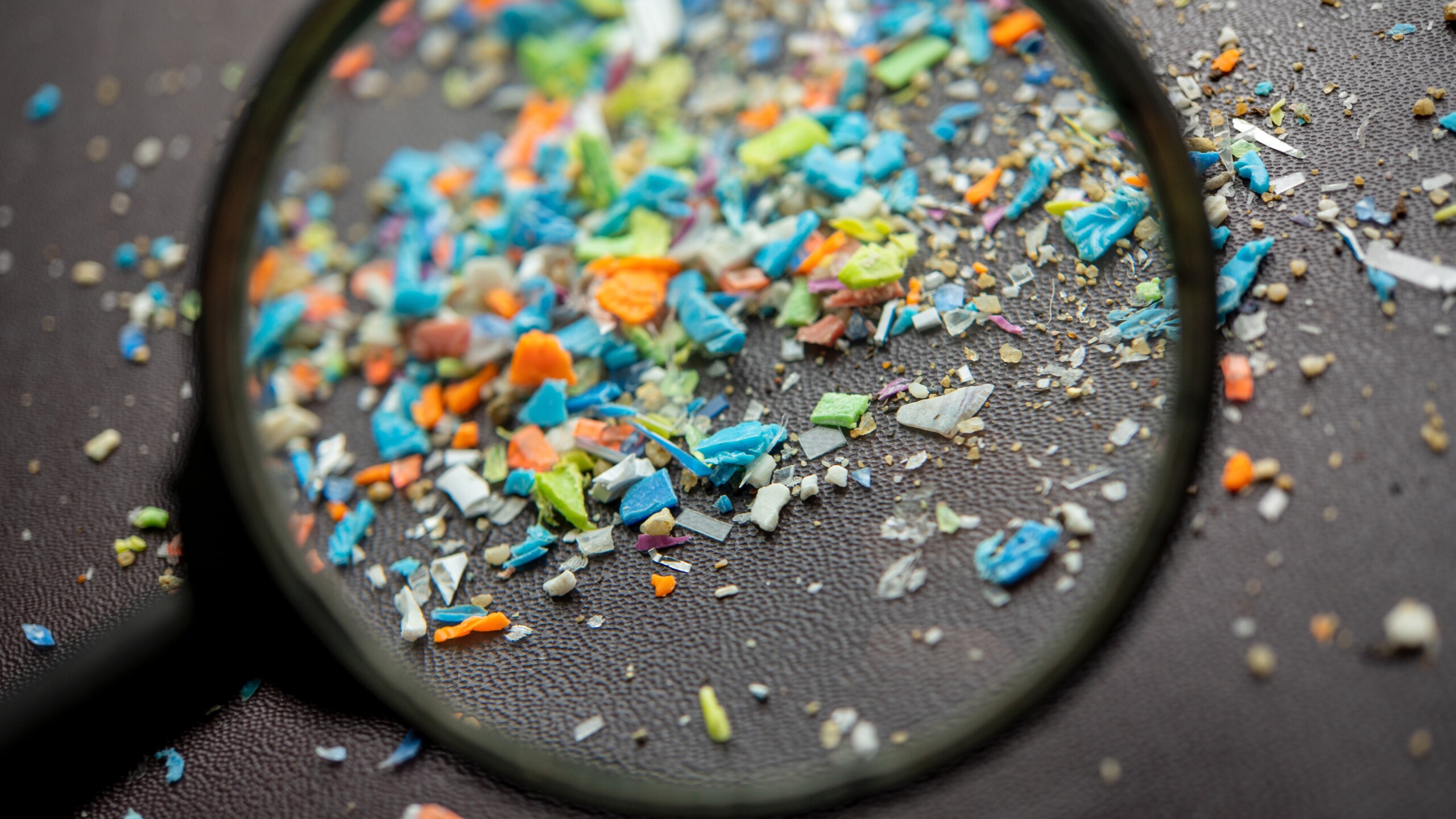
Microplastic studies called into question
Doubts have been raised over the credibility of studies that have found high volumes of microplastics throughout the human body.
drinks news

Heineken simplifies sustainability goals
Heineken has become the latest large food and drink business to revise its sustainability targets in an effort to sharpen its focus on areas of greatest impact.

Cheers to beers with no alcohol
There is a major cultural shift towards moderation in attitudes to alcohol going on, according to global research published by Heineken.


grocery news
France leads the way in reusable packaging for grocery
Reusable packaging has reached “industrial scale” in France, as more than 370 products across 345 supermarkets join the Loop reuse platform.
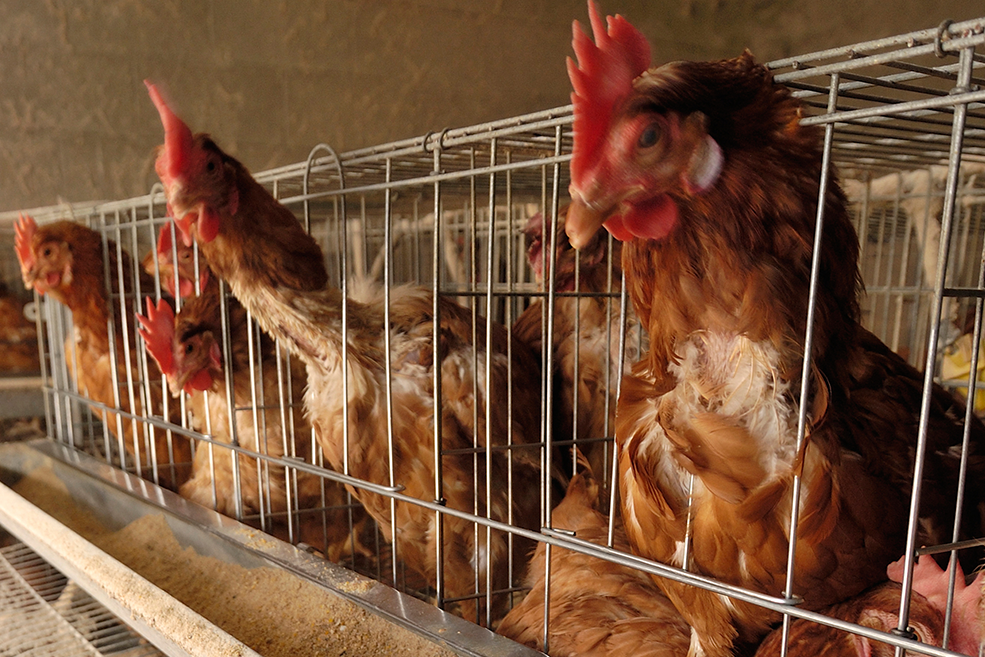
Farmfoods’ poultry promise proves flaky
Some 140,000 hens will remain caged following Farmfoods’ decision to drop a commitment to go cage-free.

CMA throws weight behind supply chain watchdog
The Groceries Code Adjudicator (GCA) has been effective in ensuring fair trading relationships between big supermarkets and their suppliers, according to the body that recommended its creation.
latest footprint intelligence reports
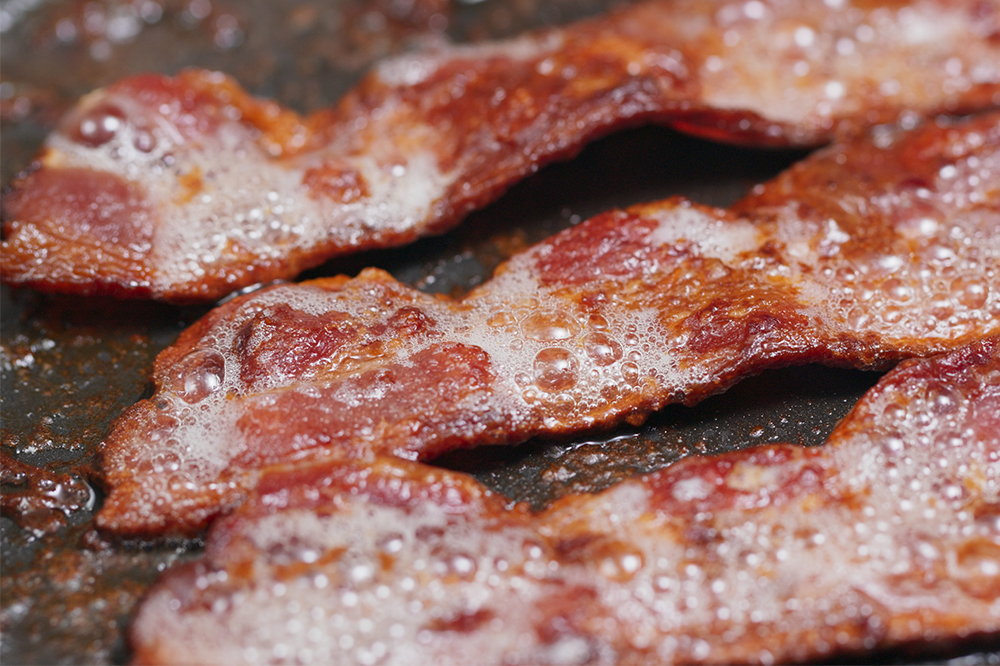
Is the future of ham and bacon nitrite-free?
The risk to health associated with eating nitrite-cured meats is starting to gain traction with the public.
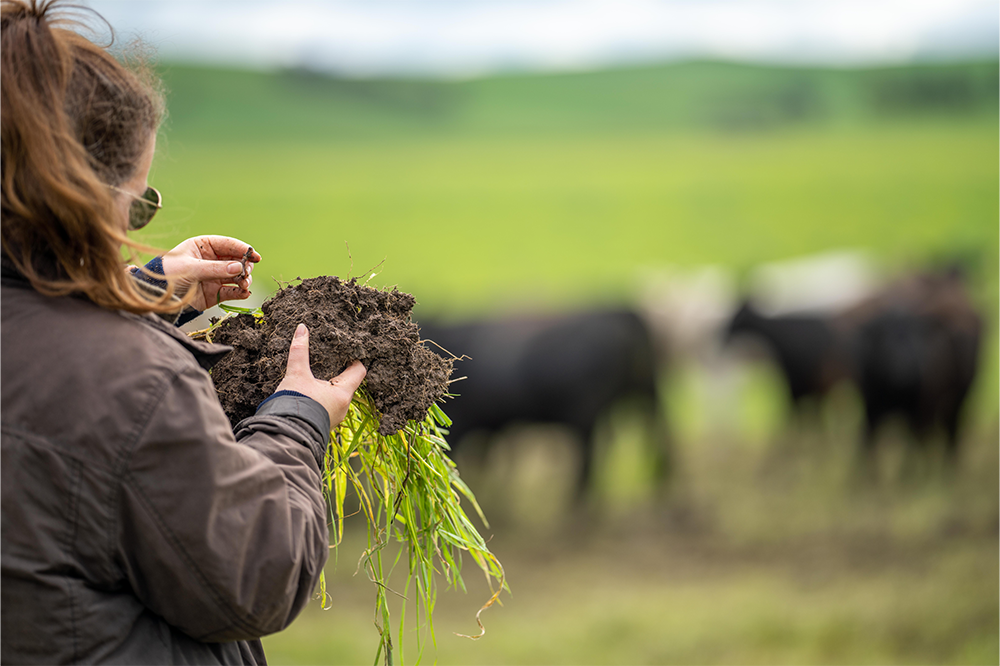
Growing Regenerative Agriculture: How businesses can help deliver impact at scale, in association with Nestlé Professional.
This new report Growing Regenerative Agriculture: How businesses can help deliver impact at scale is the third in the series produced by Footprint Intelligence in association with Nestlé Professional.

Footprint Intelligence white paper: Deliver commercial advantage through sustainable water management in association with Waterscan
As global temperatures continue to rise and extreme weather events become more commonplace, access to cheap, plentiful water can no longer be taken for granted.

Data, decarbonisation and diet: how foodservice can benefit as a net-zero leader, in association with Foodsteps
To keep global warming to no more than 1.5°C we must reduce emissions by 43% by 2030 and reach net-zero by 2050.
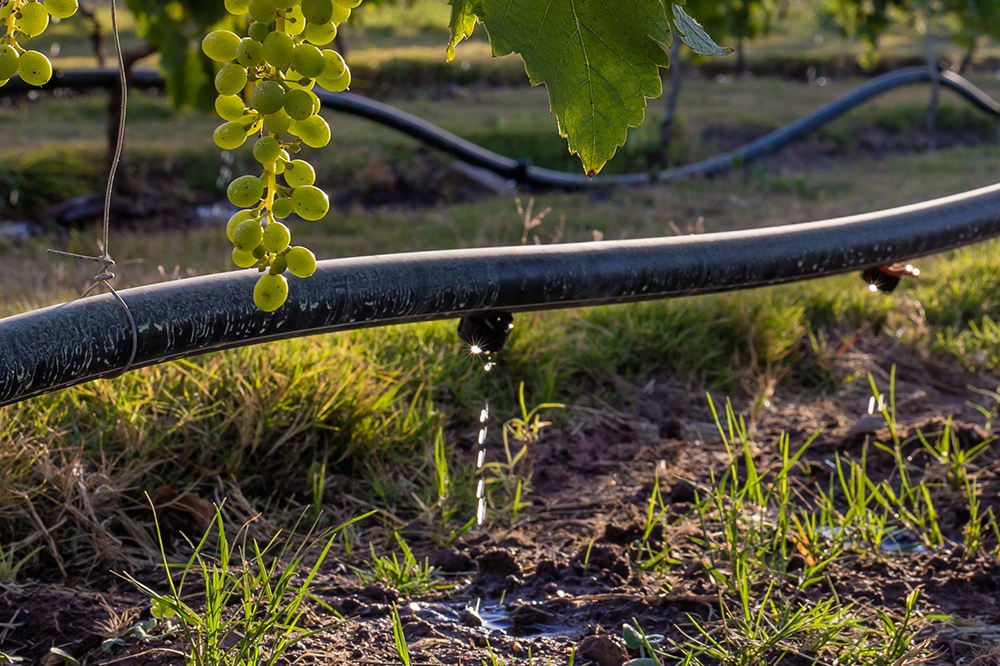
Water stewardship and regeneration in the drinks industry; where next? in association with Coca-Cola Europacific Partners
Water is already high up the sustainability agenda for businesses as they look to ensure access to a safe, secure supply of water both for themselves and communities.
award winners’ case studies

Making Reuse Simple – Marston’s Leads the Way in Glass Reuse for Hospitality
The hospitality industry has long faced the challenge of packaging waste, with glass bottles representing a significant proportion of the sector’s environmental footprint.
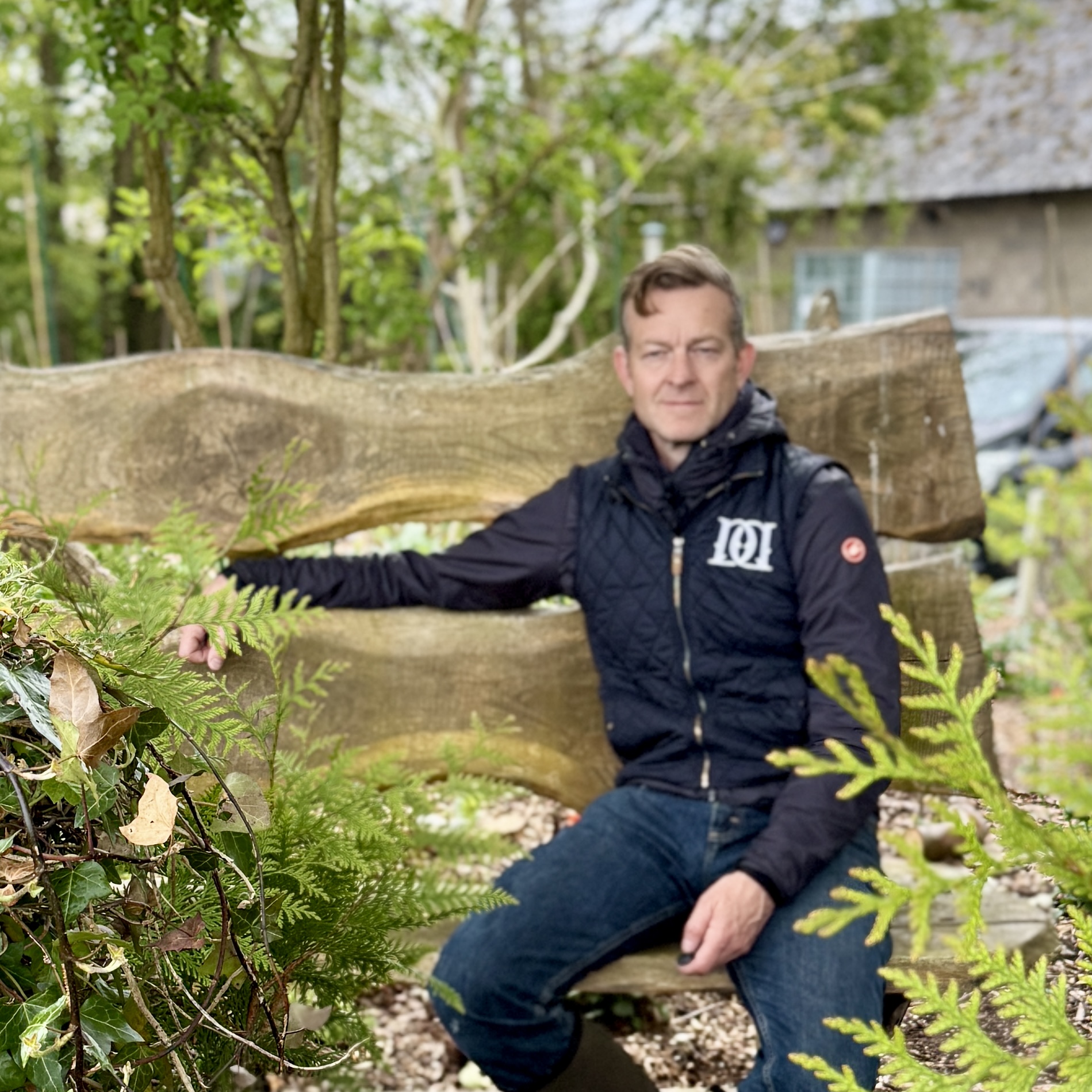
Downton Distillery: Redefining Spirits Through Craft, Conservation and Circularity
What began as a small rural operation has become a respected example of how circular design and ecological restoration can underpin a drinks business.
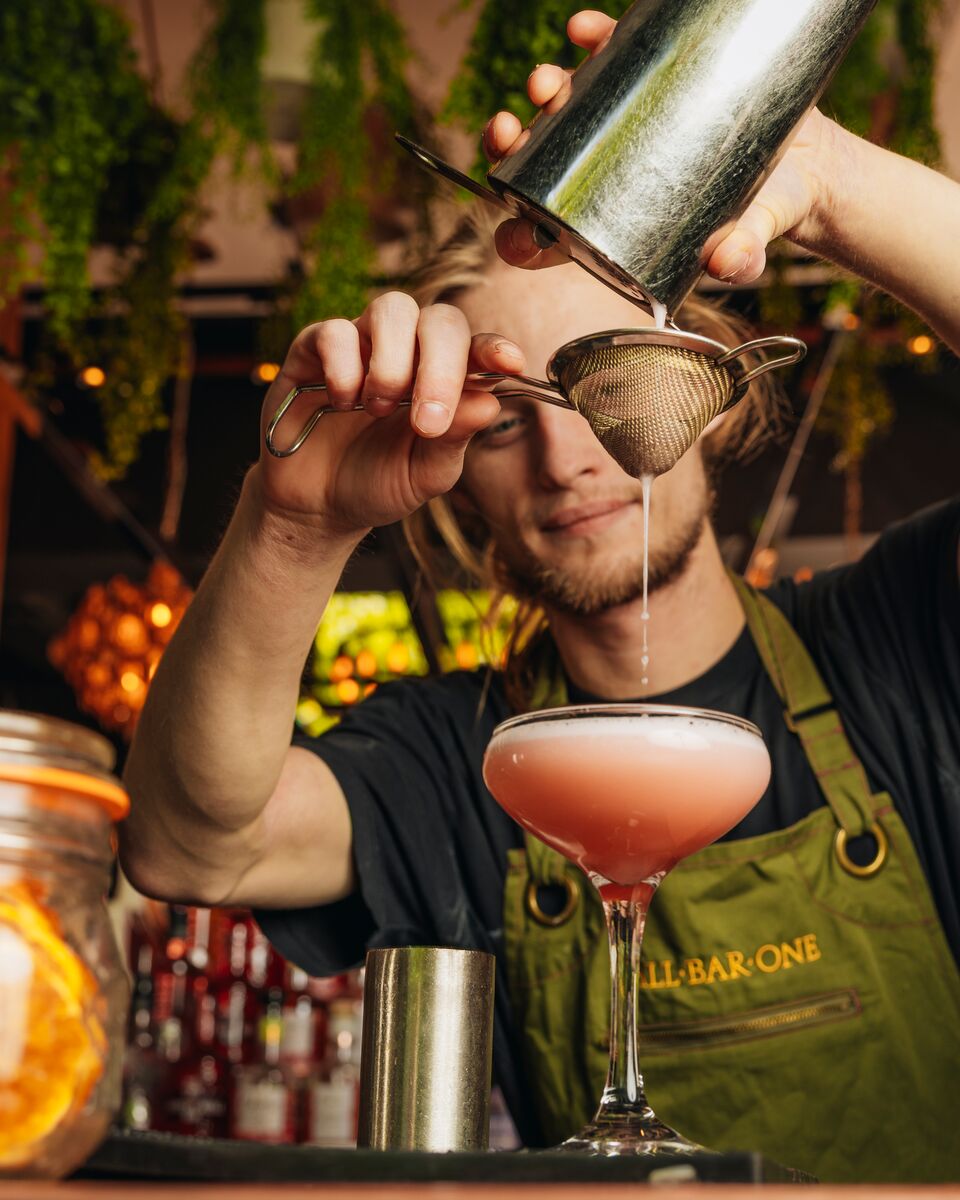
All Bar One recognised as a sustainability leader in hospitality
With a mission to create a more inclusive and environmentally conscious experience for guests and teams alike, we have consistently pushed boundaries
latest footprint podcasts
Sustainability Bites in association with Nestlé Professional. Episode 6: Can Artificial Intelligence turbocharge sustainability?
We explore the main potential applications for AI and delve into where AI is already being deployed and to what effect.
Sustainability Bites in association with Nestlé Professional. Episode 5: Scope 3: Measuring Industry Progress in association with Nestlé Professional
In this episode of Sustainability Bites we do a deep-dive into industry progress on all matters Scope 3. Scope 3 remains one of the sector’s biggest challenges. Some are making…
Sustainability Bites in association with Nestlé Professional. Episode 4: The future of talent in hospitality & foodservice
We analyse the UK regulatory environment, and we take a close look at key trends as well as short and long term solutions to one of the sector’s greatest challenges.
comment, opinion & analysis
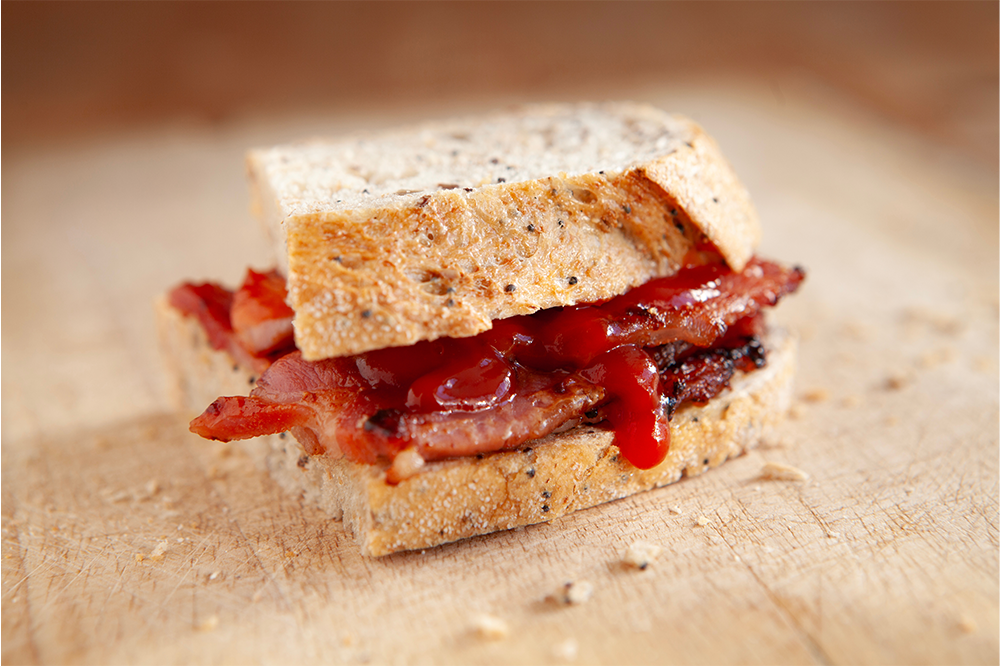
COMMENT: ‘Heremade’ food helps recharge and reconnect
A break in central Scotland helps me reconnect with natural food and (thanks to a bacon sandwich) chew over the writing that keeps me hungry.

COMMENT: Going Beyond Meat and pushing beans
Beyond Meat is dropping ‘Meat’ from its name and focusing on shorter ingredients lists and nutrient-dense products. Gill Wilson weighs up the pros and cons.


Report, react and reduce
Data can help foodservice companies keep pace with reporting rules and deliver their 2030 reduction targets.
Educating Britain one label at a time
Eco-labels are bringing transparency to the climate and nature impact of our meal choices but more data is needed to understand the effect they have on behaviours.

Consistency as standard – the drive to define scope 3
Moves aimed at harmonising how food and drink businesses account for value chain emissions have the potential to unlock a range of benefits.


DATAPOINT
A ‘perception gap’ on climate policies; plans for supply chain net-zero engagement among brewers and hospitality operators; a record auction for UK offshore wind; and a dire warning should the…

DATAPOINT
Standout figures spotlight high salt intake among UK adults, commitment by Waitrose to sell more beans, concern among farmers over government policy, and the economic benefit of new advertising restrictions.

DATAPOINT
This week’s figures include an increased biodiversity premium for dairy farmers, government cash for greener farming, a promising report on countries that are decoupling emissions from economic growth and a…


Will harmony break out over precautionary allergen labelling?
Global efforts to standardise the use of ‘may contain’ labels are gathering pace, however the UK continues to hold reservations.

Don’t buy into deforestation law delays
The European Commission wants to delay EUDR due to IT issues, but food businesses can’t afford to switch off from ensuring they have sustainable supply chains.
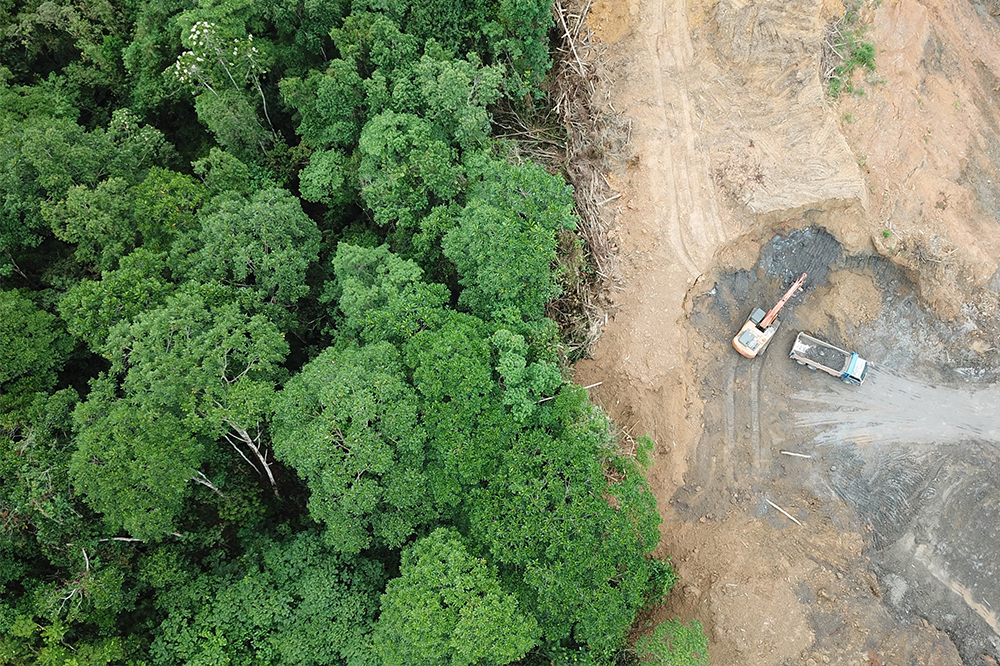
Deforestation, dodgy green claims and delays
New EU laws relating to green claims and deforestation do not mean food businesses can relax.
footprint event reports

How data can support the drive to decarbonise
At a Footprint Forum in association with Foodsteps held earlier this summer, foodservice experts shared practical tips on how environmental data can be harnessed to help deliver net-zero.

Don’t fall foul of new green claims regime
Attendees at a recent Footprint Legal briefing in association with DWF were told of the high potential cost of failing to properly evidence their environmental achievements.
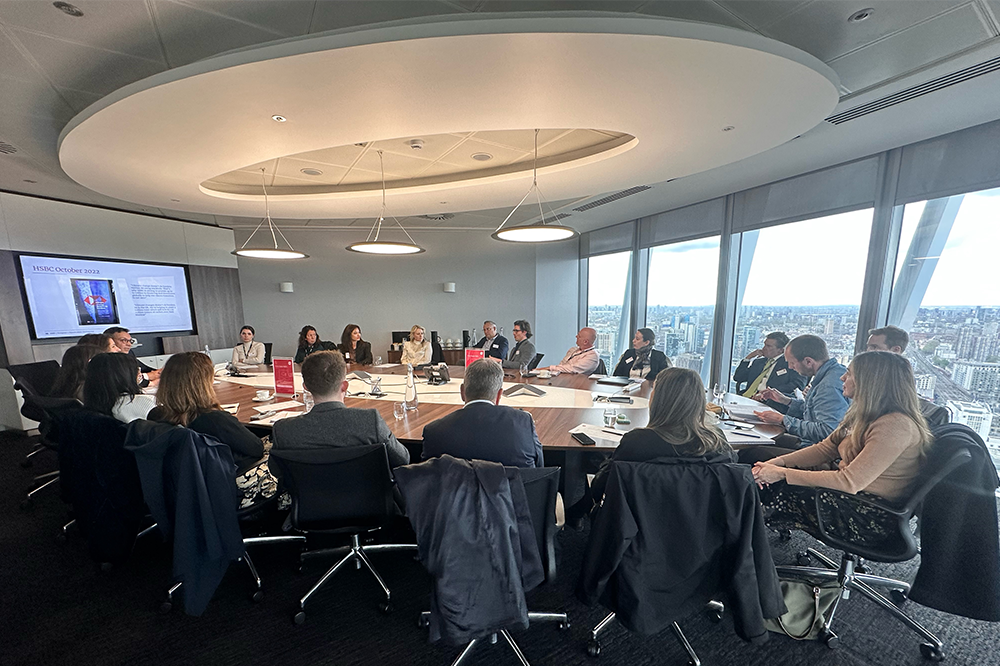
Tread carefully along the thin green line
New rules relating to making green claims are confusing, which is bad news for food companies and good news for lawyers.
Footprint video
Events photo galleries
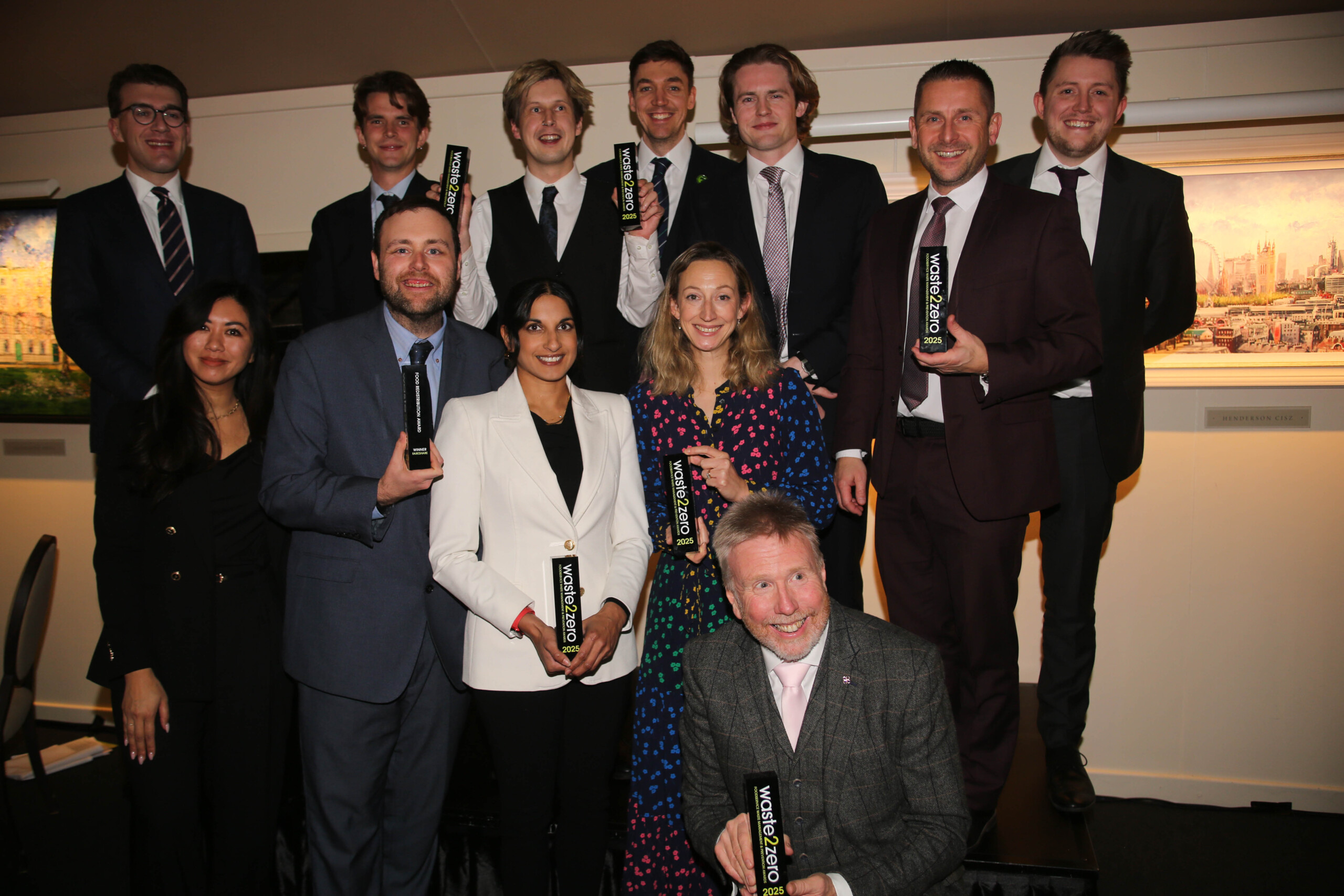
Gallery: waste2zero awards 2025
The 2025 waste2zero awards recognise excellence in Waste Management and Prevention in the out of home food and drink sector.
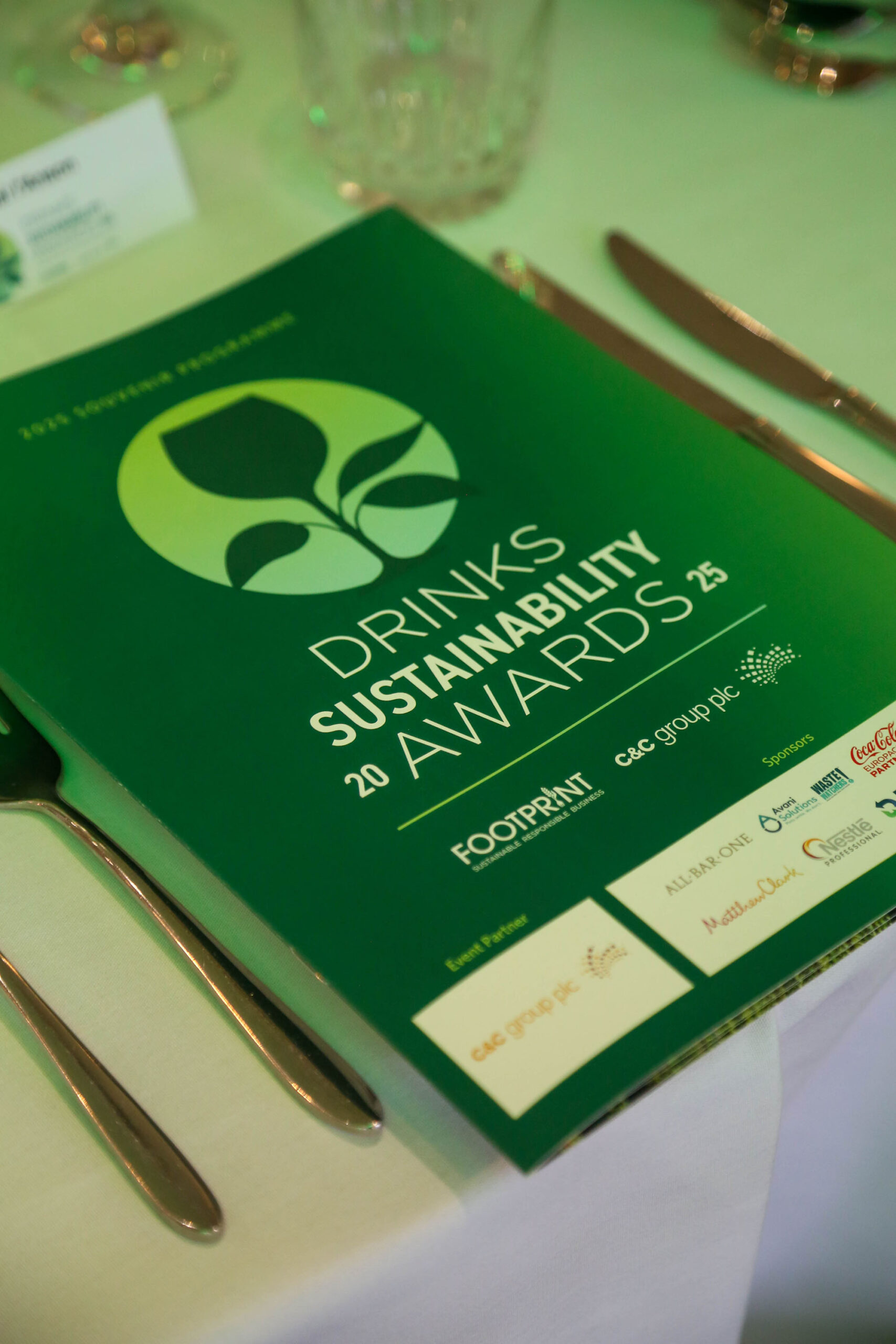
Photo gallery: Drinks Sustainability Awards 2025
The Drinks Sustainability Awards 2025 is the barometer for sustainability and responsible business practice for the drinks industry in the On Trade.

innovation marketplace
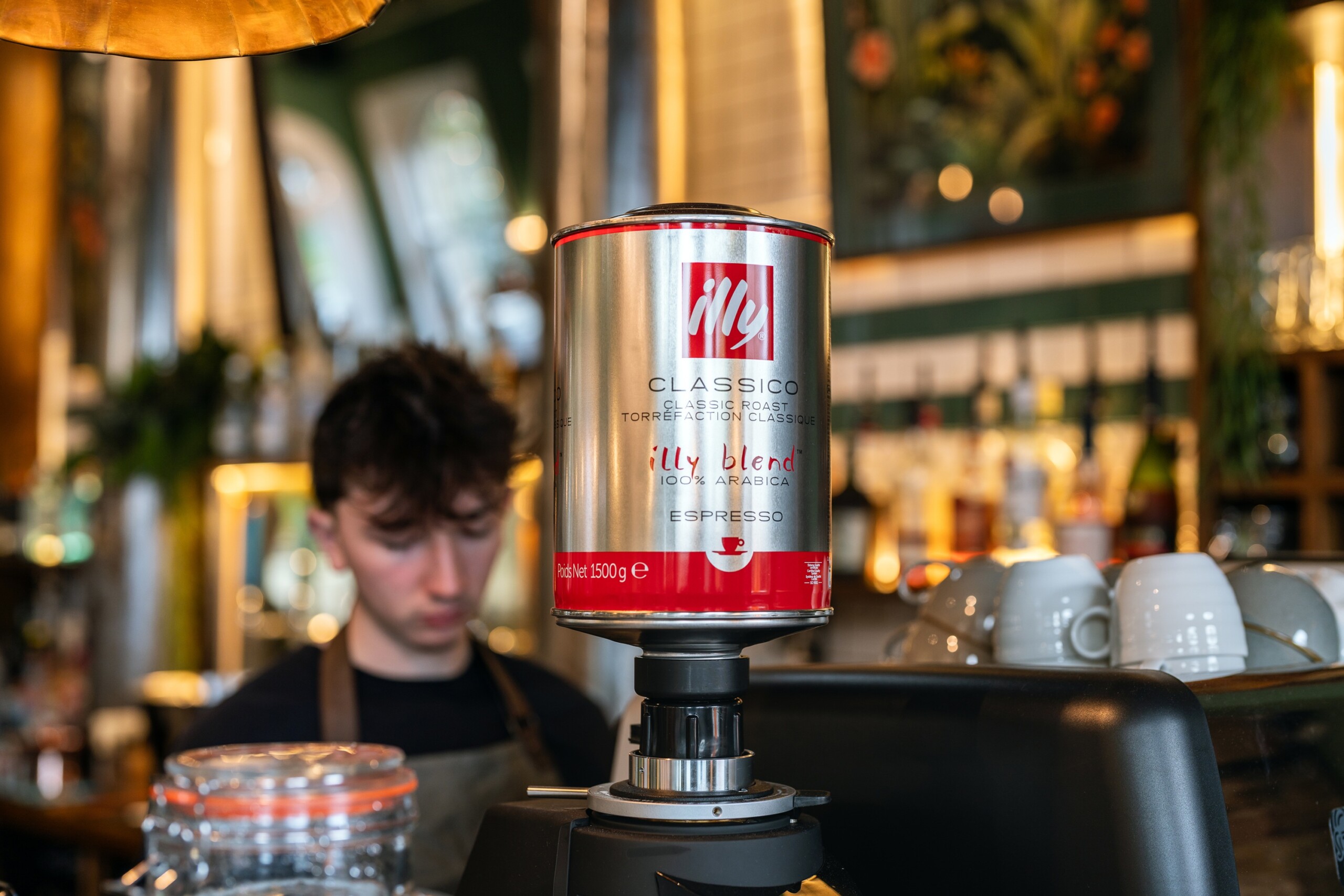
Fuller’s partners with illy to champion premium, sustainable coffee in pubs
Fuller’s is delighted to announce a new partnership with premium and sustainable coffee brand, illy – which is now available for customers to enjoy in its pubs and hotels. Oliver…
Elior and FSG Returnables team up to ditch disposables at NPL
Elior UK, is proud to announce a new partnership with FSG Returnables (FSG) to introduce reusable takeaway food containers, at the National Physical Laboratory (NPL).

Through Better Tomorrow 2028, Sodexo Makes Sustainability a Powerful Driver of Operational Performance
Sodexo announces the launch of Better Tomorrow 2028 – its new roadmap aiming to accelerate the company’s sustainable journey, building on the progress, achievements and learnings of Better Tomorrow 2025.