
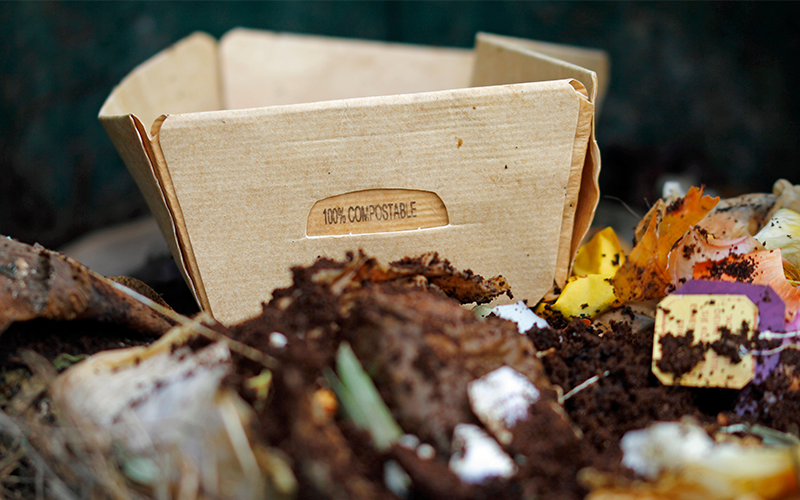
Compostable and plant-based are considered the most sustainable packaging types by global citizens.
A new consumer survey from McKinsey spanning 11 countries and covering 50% of the global population found that compostable and plant-based packaging (for example, sugar cane and corn-starch) ranked one and two respectively on average and among the top three most sustainable materials for people in every country with the exception of Japan.
This was true for UK citizens who also ranked flexible paper packaging among their top three despite questions over the recyclability of new paper-based innovations.
Metal containers, packaging combining plastics, paper and aluminium foil, and aluminium foil wraps were considered the least sustainable types.
Elsewhere, McKinsey said its research showed that public sentiment towards packaging is evolving away from a “hyperfocus on hygiene” as societies emerge from the covid pandemic. The majority of those surveyed, including those in the UK, are less concerned about hygiene and food safety than they were during the pandemic, even though their level of concern is still above where it was prior to covid. Nevertheless, across all countries, hygiene and shelf life top the list of factors important in consumers’ purchasing decisions.
Environmental impact ranks somewhere in the middle. It is among the top two concerns for people in India and among the bottom two concerns among those in France and the US. In the UK, the environmental impact of packaging ranks below hygiene and food safety, shelf life, ease of use and information included on the label as a priority but above durability and appearance.
On average, ocean litter is the environmental impact linked to packaging that Europeans are most concerned about while in Asian and Latin American countries air and water pollution is of greater concern.
In all surveyed countries, the majority of respondents claim to be willing to pay more for sustainable packaging, although this is much higher in developing nations.
In Europe, better product labelling and rebate or incentive programs could encourage consumers to buy more products with sustainable packaging, according to McKinsey.